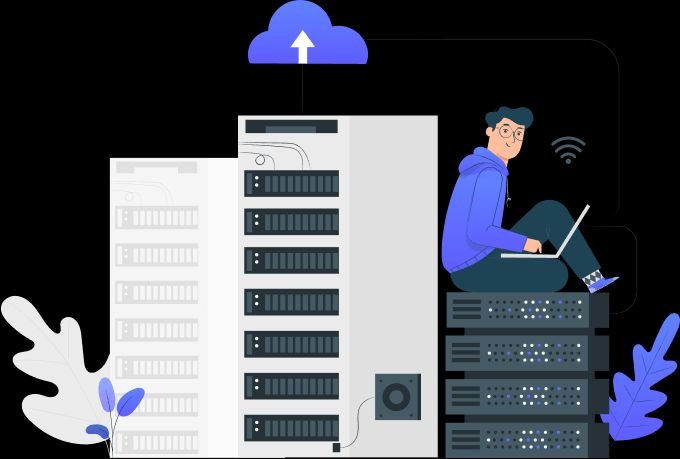
Website hosting is a crucial component of establishing a web presence. It involves storing your website’s files and making them accessible on the internet. When someone types your website’s address into their browser, the hosting service delivers the site’s content to them. Below, we’ll explore various aspects of website hosting to help you make informed decisions.
Types of Website Hosting
There are several types of hosting services, each catering to different needs and budgets. Here are the most common types:
Shared Hosting
Shared hosting is a cost-effective solution where multiple websites are hosted on a single server. This means the server’s resources, like CPU and RAM, are shared among all the sites. It’s suitable for small to medium-sized websites with moderate traffic.
Pros:
Affordable
Easy to set up
Cons:
Limited resources
Performance can be affected by other sites
Virtual Private Server (VPS) Hosting
VPS hosting provides a middle ground by offering a virtualized server environment. Although multiple sites still share a physical server, each is allocated its own dedicated resources.
Pros:
More control and customization
Better performance than shared hosting
Cons:
More expensive than shared hosting
Requires some technical knowledge
Dedicated Hosting
With dedicated hosting, you rent an entire server for your website. This option provides maximum control and performance.
Pros:
Complete control over the server
High performance and reliability
Cons:
Expensive
Requires technical expertise
Cloud Hosting
Cloud hosting distributes resources across multiple servers, providing flexibility and scalability. It’s ideal for websites with fluctuating traffic.
Pros:
Scalable resources
High uptime and reliability
Cons:
Can be more complex to manage
Costs can increase with resource usage
Managed WordPress Hosting
This type of hosting is optimized specifically for WordPress sites. It includes automatic updates, backups, and enhanced security.
Pros:
Optimized for WordPress
Hassle-free management
Cons:
Limited to WordPress sites
Can be more expensive than general hosting
Key Features to Consider
When choosing a hosting provider, consider these essential features to ensure they meet your needs:
Uptime Guarantee: Look for hosts that offer at least 99.9% uptime to ensure your site is consistently available.
Customer Support: 24/7 support can be crucial, especially if you’re not technically inclined.
Scalability: Choose a host that allows you to upgrade your plan as your website grows.
Security Features: Check for features like SSL certificates, firewalls, and regular backups.
Control Panel: A user-friendly control panel, like cPanel, makes managing your hosting environment easier.
Conclusion
Selecting the right website hosting service is vital for your online success. Consider your website’s needs, budget, and technical expertise when making a decision. Whether you’re a small business, a blogger, or a large corporation, there’s a hosting solution tailored to your requirements.
Leave a Reply